
American’s Biggest Threat Is Here (From Goldco Direct, LLC)
Key Points
- SpaceX shares have fallen about 40% since their June 12 IPO and now trade below the $135 listing price.
- Wall Street is increasingly framing SpaceX's Starlink network as AI infrastructure rather than just a space or satellite business.
- SpaceX's first public earnings report on Aug. 6 is seen as pivotal for validating the AI narrative amid mixed analyst price targets.
- Special Report: A trading approach worth seeing before you dismiss it (From Trade Thirsty)
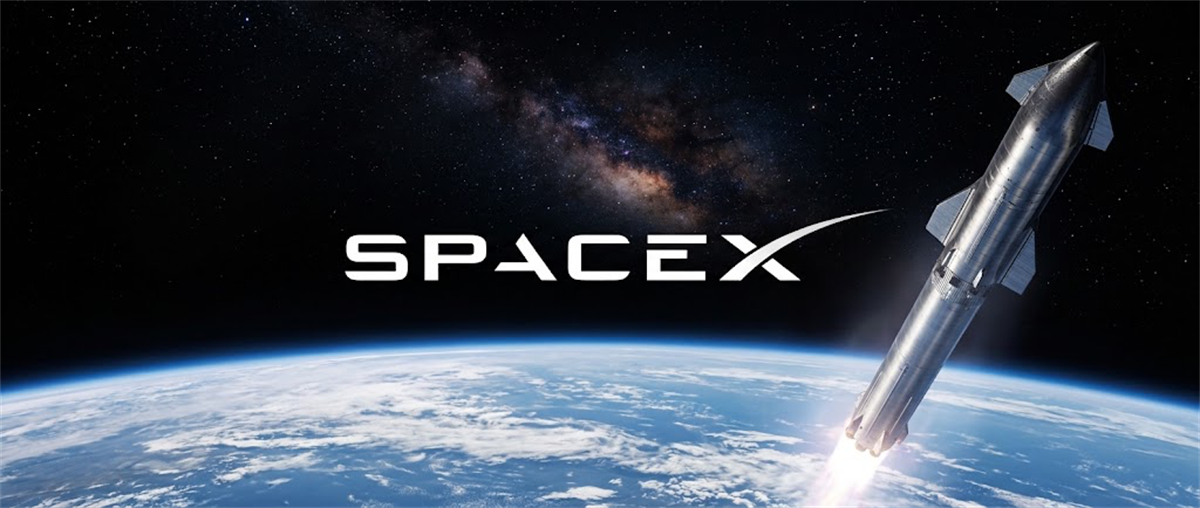
When SpaceX (NASDAQ: SPCX) went public just over a month ago, on June 12, it did so as the most hotly anticipated listing in years, and unmistakably as a space company. Rockets, satellites, and Mars ambitions were the story. But barely a month into its life on the public markets, a different narrative is taking hold on Wall Street, and it has far more to do with artificial intelligence (AI) than with space travel.
The timing is interesting because the stock itself has had a rough start. After hitting a post-IPO high in the sessions following its IPO, SpaceX shares have slumped around 40% and are now trading below the $135 price at which they listed.
For a company that generated so much excitement coming to market, dipping below the IPO price inside the first few weeks isn’t a great look. Yet beneath that disappointing price action, the emerging investment case may be more compelling than the chart suggests.
A trading plan built hours before the opening bell (Ad)
Every morning before the market opens, a scanner called Oracle runs through 15,000 stocks and scores the setups — so there's already a plan in place by 6:15 a.m.
Lead Trainer Tim Bohen of StocksToTrade is walking through exactly how Oracle works and how regular traders are using it in a training running right now.
Watch the Oracle training now and see how the scanner works
Why the AI Narrative Is Taking Over
The core of the argument is Starlink, SpaceX's satellite internet network. On the surface, it's a connectivity business, beaming broadband down to homes, vehicles, and remote corners of the planet. But increasingly, investors are recognizing that a global, low-latency connectivity network is exactly the kind of infrastructure the AI era is going to depend on.
As AI systems become more embedded in everyday devices, vehicles, and industrial applications, the need for reliable connectivity to move data back and forth grows enormously. Starlink is one of the very few networks capable of providing that coverage at scale.
The bulls argue that this could make SpaceX something like an AI infrastructure landlord, with its network and vertical integration allowing it to control data movement and potentially support entirely new compute products over time.
This is a view that Wedbush's Dan Ives has been vocal about for some time. He argues that SpaceX should be seen as much more of a data and AI play than a traditional space company, pointing to the strategic value of its network and the growing data demands flowing through it. If that framing gains wider acceptance, it fundamentally changes the lens through which the company is valued to the upside.
The Speculative Upside, and the Very Real Risks
Beyond connectivity, there's an even more ambitious element to the thesis. There has been growing discussion around the potential for data centers in space, using solar power and natural cooling to run compute-intensive AI workloads outside the constraints of terrestrial infrastructure.
Tied to this is the Terafab semiconductor project, which Oppenheimer recently described as “critical” to SpaceX's future valuation, while also cautioning that it remains speculative and carries real execution risk.
That tension sits at the heart of the debate. The upside case is enormous, but it rests on ambitious projects that are far from proven, and the company is burning through significant cash to pursue them. The bears make a fair point that the current valuation already implies extraordinary growth, with no guarantee that the vast AI opportunity translates cleanly into durable, high-margin profits.
How this scanner filters 15,000 stocks every morning (Ad)
Oracle runs 15,000 stocks through the same filter every single day, scanning for precise setups before the opening bell - no emotion, no guesswork.
Tim Bohen, Lead Trainer at StocksToTrade, is walking through this week's flagged setups and showing exactly how the scanner works in a live training right now.
Watch the scanner in action and join the live training now
What the Analysts Are Saying
Despite that rough start, the early analyst coverage suggests the bulls currently outnumber the bears. While Piper Sandler did initiate coverage this week with a cautious Neutral rating, that was a rare outlier versus the likes of Evercore, which gave the stock a Buy rating, one of many in a run of recent bullish analyst calls.
The price targets of some of these recent updates are also hard to ignore, with many clustered around $250, which, from the current level near $130, implies close to 100% upside. Targets like that suggest at least some analysts believe the recent weakness reflects a serious dislocation between the share price and the company's longer-term potential. Especially if the AI infrastructure narrative takes hold, then the current price could look like an entry point in hindsight.
A High-Stakes First Report Awaits
All of this means SpaceX's first public earnings report, due on Aug. 6, is a pivotal moment. As a newly listed company with no track record of reporting to public markets, this first look under the hood will carry enormous weight in shaping how investors think about the story.
The key will be any commentary that supports the AI infrastructure framing, particularly around Starlink's growth and how management chooses to position the business. Lean into the AI narrative convincingly, and the bulls calling for a doubling of the stock will have real ammunition.
Fall back on a more pie-in-the-sky space story, and that 40% sell-off may prove less an entry point and more a warning. Either way, Aug. 6 should be firmly circled on every investor's calendar.
Read More
- Strait of Hormuz Tensions Spike Tanker Trade: These 2 Stocks Are Set to Benefit
- Buy this stock tomorrow (From Chaikin Analytics)
- Shopify's Quiet AI Strategy Could Be Its Biggest Advantage Yet
- My top 3 AI picks for the next decade (From The Oxford Club)
- Why These 3 Nuclear ETFs Are Getting a Fresh Look as AI Power Demand Rises
- 3 Aerospace Suppliers That Could Benefit as Aircraft Makers Face Bottlenecks
- Netflix May Be Cheap Enough to Tempt Buyers After Earnings Drop
Stay Ahead of the Market
The best investment opportunities don't wait. Get our research and stock ideas delivered straight to your smartphone—so you never miss a market-moving opportunity. Our text alerts ensure you see timely stock ideas and professional research reports instantly, whether you're in a meeting, commuting, or away from your desk.
