
Your name isn't on our protected list yet (From American Alternative)
Key Points
- Anthropic and OpenAI have both confidentially filed S-1s with the SEC, with analyst Luke Lango expecting two historic IPOs before year's end.
- Lango argues the better near-term trade is SpaceX's supply chain, as the company deploys $75 billion toward orbital data centers and semiconductor manufacturing.
- Pre-IPO proxy vehicles like Destiny Tech100 surged ahead of the SpaceX debut and then retraced, a pattern Lango expects to repeat with Anthropic and OpenAI listings.
- Special Report: Where to Put $100 Before Trump's New Tech Law Rolls Out (From Brownstone Research)
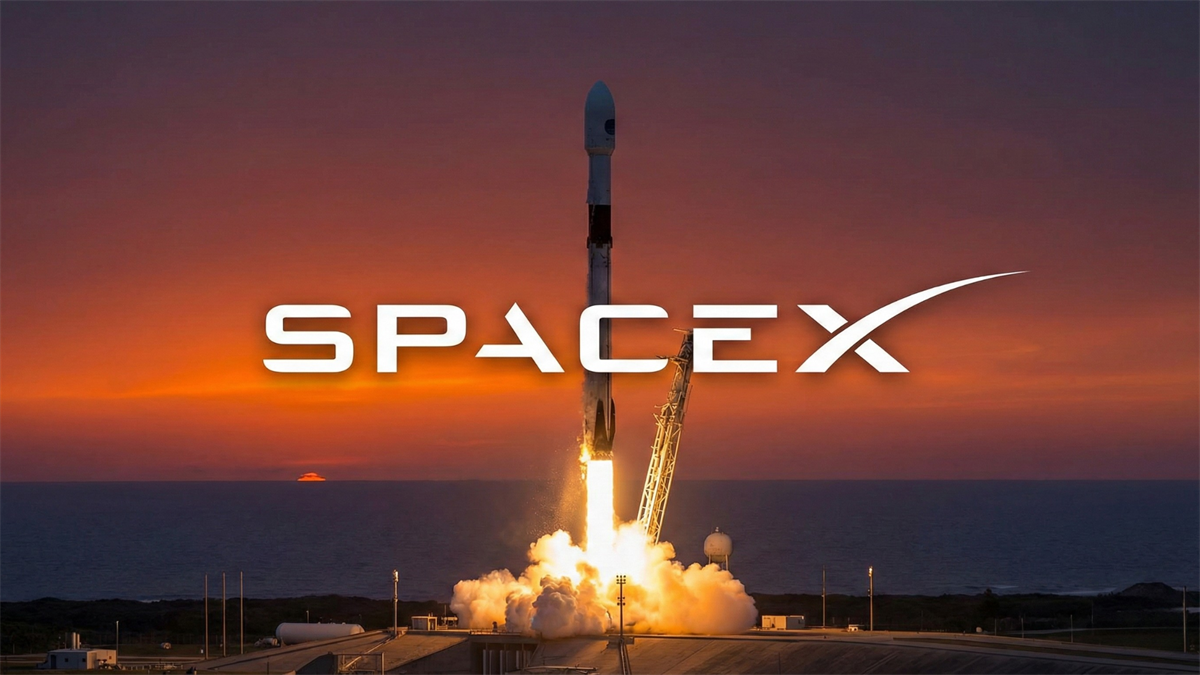
The largest IPO in history just happened, and it's barely a week old. Space X (NASDAQ: SPCX), priced at $135, surged past $200 in its first days of trading and is still moving. But according to Luke Lango of InvestorPlace, the more important question isn't what just happened with SpaceX. It's what comes next—because two more historic IPOs are on the way before year's end, and the template for how to play them is already written.
SpaceX will crumble without these 5 companies (Ad)
The SpaceX IPO is drawing near, but the real opportunity may lie in 5 lesser-known companies providing the critical infrastructure SpaceX depends on to operate.
Goldman Sachs and Morgan Stanley are reportedly already building positions in one of these names. Another is a resource miner that Elon Musk's broader empire - including Tesla - relies on. Lance Ippolito has detailed all five inside his free SpaceX Investing Blackbook.
Download the free SpaceX Investing Blackbook before these names go mainstream
Why SpaceX Ran—And What It Signals
The explosive opening wasn't purely conviction. It was mechanics. Only about 5% of the float was tradable at launch, so even moderate demand pushed the stock sharply higher.
That supply-demand imbalance is exactly what Lango expects to replay when Anthropic and OpenAI go public—both of which have now confidentially filed S-1s with the SEC.
That doesn't make SpaceX a straight line from here.
Lockups begin expiring around August, and engineers who've spent a decade building that company and are suddenly holding positions worth millions will take some money off the table. That's not a bearish signal—it's human nature.
Lango's view is that the volatility is noise, not a reason to exit. His longer-term range for SpaceX is $500 to $800 within three to four years.
The Better Near-Term Trade Is the Supply Chain
The more actionable near-term call, in Lango's view, isn't SpaceX itself—it's the companies that stand to absorb the $75 billion it just raised.
That capital is heading toward orbital data centers, reusable-rocket infrastructure, and a vertically integrated semiconductor manufacturing facility under construction in Texas. The parallel to the AI infrastructure trade is direct. Microsoft Corporation (NASDAQ: MSFT) and Alphabet (NASDAQ: GOOGL) were decent AI plays—but the biggest winners were the companies cashing the checks.
Optical names like Coherent Corp. (NYSE: COHR) and Corning (NYSE: GLW). Power plays like GE Vernova (NYSE: GEV). Construction names like Caterpillar (NYSE: CAT). Lango sees the same dynamic setting up now for space AI infrastructure.
The SpaceX IPO playbook most investors will get wrong (Ad)
SPCE surged roughly 300% in a single week after investors hunting SpaceX exposure piled into the wrong ticker. That window has closed - but the next opportunity may still be open.
Trader Lance Ippolito has released a free SpaceX Investing Blackbook covering pre-IPO positioning plays, the space stock Goldman Sachs, BlackRock, and Morgan Stanley are loading up on, and the chip supplier Starlink satellites depend on.
Grab your free copy of the SpaceX Investing Blackbook today
Pre-IPO Vehicles and the Proxy Trade Playbook
For investors who want exposure to Anthropic and OpenAI before they're publicly tradable, a category of publicly listed venture capital vehicles offers one route in: funds that hold pre-IPO stakes in private companies and trade on exchanges like any other stock.
The category is relatively new, but the SpaceX IPO just gave it a real-world stress test.
Two of them ran hard ahead of the SpaceX debut. The Tema Space Innovators ETF (NYSEARCA: NASA) ran from roughly $25 to around $45 before the IPO. Destiny Tech100 (NYSE: DXYZ) had an even bigger move, then gave back a significant portion of those gains once SpaceX became directly tradable. The logic is simple: when the real thing is available, investors stop buying the proxy.
That retracement isn't a flaw in the trade. It's the shape of it. The window is the period between now and the IPO date, and timing the exit matters as much as the entry.
Lango expects similar vehicles with Anthropic and OpenAI exposure to follow the same trajectory, potentially doubling or more into those debuts before retracing. For investors who understand the mechanics, that's a defined setup with a clear clock on it, not a long-term hold.
Where the Money Flows for Anthropic and OpenAI
With SpaceX, the indirect plays were space-adjacent names—Rocket Lab USA (NASDAQ: RKLB), Planet Labs PBC (NYSE: PL), AST SpaceMobile (NASDAQ: ASTS), BlackSky Technology (NYSE: BKSY), and Redwire Corporation (NYSE: RDW)—which surged into the IPO and then reversed once the real thing hit.
The Anthropic and OpenAI versions of that trade involve different names with opposite dynamics.
Software is the pressure point. The iShares Expanded Tech-Software Sector ETF (BATS: IGV) has already retreated from its highs, and Lango sees the Anthropic IPO as a further negative catalyst for names like Salesforce (NYSE: CRM), Adobe (NASDAQ: ADBE), and Intuit (NASDAQ: INTU) as frontier AI models absorb more of what those platforms do.
The long side of the rotation is big tech. Amazon.com (NASDAQ: AMZN) is a major Anthropic investor. Microsoft is deeply tied to OpenAI. NVIDIA Corporation (NASDAQ: NVDA) has exposure to both. Lango expects some selling pressure in those names into the IPOs—and frames any weakness as a buying opportunity.
The Contrarian Case for OpenAI
The consensus has shifted toward Anthropic as the momentum story. Lango's most contrarian call is that OpenAI may be the better near-term setup. It has a capable new flagship model, and the political landscape may favor it: there are reported conversations about the White House taking an equity stake in frontier AI companies, and Lango's read is that those conversations are really about OpenAI.
If that materializes before the IPO, the proxy trades for OpenAI could move fast and hard.
The liquidity for both deals flows primarily out of big tech. Investors bought Microsoft for its OpenAI exposure and Amazon for its Anthropic stake. When direct exposure becomes available, the rationale for holding those proxies fades—and that rotation is where much of the opportunity lives.
That same dynamic shapes the longer-term view on T-Mobile US (NASDAQ: TMUS), Verizon Communications (NYSE: VZ), and AT&T (NYSE: T) as Starlink continues building out. Disruption there won't resolve in a single IPO cycle—but it's worth tracking as SpaceX deploys its capital.
SpaceX didn't just make history. It drew the map. Two more historic debuts are coming before the year's end, and the investors who read the template correctly may be well ahead of both.
Further Reading
- 3 Inflation-Fighting Stocks Built for Higher Oil Prices
- The #1 stock to buy AFTER the June 12th filing (From Behind the Markets)
- 3 Biotech Firms With Major Potential Catalysts in the Coming Months
- Better than SpaceX? Grab this ticker instead. (From Brownstone Research)
- Applied Materials Stock Looks Pricey—Can AI Demand Justify the Rally?
- 3 Small-Cap Stocks Getting a Russell 2000 Rebalance Boost
- The Oil Trade May Not Be Over: 3 Energy Stocks to Watch
Related Video:
![History is About to Be Made... [Last Big Wealth Opportunity For a Decade]](https://www.marketbeat.com/logos/videos/small_20260616172403_videomakemillionares-play.png)
Stay Ahead of the Market
The best investment opportunities don't wait. Get our research and stock ideas delivered straight to your smartphone—so you never miss a market-moving opportunity. Our text alerts ensure you see timely stock ideas and professional research reports instantly, whether you're in a meeting, commuting, or away from your desk.
